Oaxaca City sits above 1,500 metres in a valley ringed by mountains, which gives it a mild climate most of the year. You will not find the extremes people expect from Mexico. What really shapes a trip here is not temperature — it is rain, festivals and how far ahead you booked.
Dry season: roughly November to April
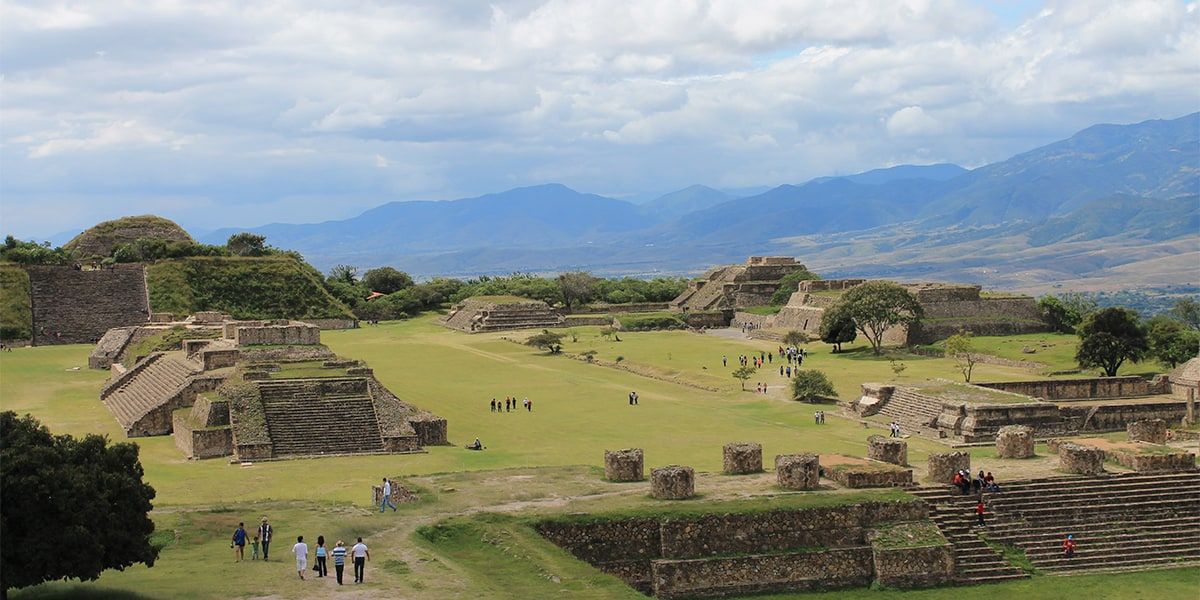
This is the easy season and the busiest. Clear skies, long views across the valley, warm days and cool evenings. The landscape turns golden and dry, and the light is excellent for photographs at Monte Albán and Hierve el Agua.
Nights can be genuinely cool, especially from December through February, and colder still in the Sierra Norte. Bring a jacket even if the daytime forecast looks warm.
Rainy season: roughly June to September
Travelers often write this season off, and they are usually wrong to. The rain mostly arrives as afternoon or evening showers rather than all-day downpours, and mornings are frequently clear. In exchange, the whole valley turns green and the mountains look completely different.
There are fewer visitors outside the July festival weeks, and the air is cleaner. The trade-off is that mountain views can be closed in by cloud, and a dirt road can be slower after heavy rain.
Guelaguetza: July
The biggest festival of the Oaxacan year, held across two Mondays after 16 July, when delegations from the eight regions of the state come to dance and share what their communities make. The main performances are in the Guelaguetza auditorium on the Cerro del Fortín, and the city around them is full of parades and street events.
If you want to be here for it, book accommodation and transport months in advance. The city is at capacity and prices reflect it.
Day of the Dead: late October to 2 November
The most intense week of the year in Oaxaca, and for many people the reason they come. Cemeteries fill with flowers and candlelight, comparsas move through the streets, and families open their homes and their altars.
It is also the hardest week to improvise. Hotels, drivers and guides are often fully booked months ahead. We have a separate guide to this one, because it deserves it.
December and Noche de Rábanos
December is quietly one of the best months: cool, clear, and full of posadas and processions. On 23 December the Zócalo fills for the Noche de Rábanos, an only-in-Oaxaca event where artisans carve elaborate scenes out of radishes for a single evening.
Christmas and New Year bring Mexican domestic travelers, so the city is busy but in a different way than it is in July.
So when should you come?
For reliable weather and the full range of tours, aim for the dry months and avoid the festival peaks if crowds bother you. For green landscapes, fewer people and lower pressure on bookings, come in the rainy season and plan around the mornings.
For the experience that people talk about for years afterwards, come for Day of the Dead — and book early.
FAQ
Does it rain all day in Oaxaca during the rainy season?
Usually not. Rain tends to come in the afternoon or evening, with clear mornings. Planning outdoor visits early in the day works well.
How far ahead should I book for Day of the Dead or Guelaguetza?
Months. Those are the two weeks when the city runs out of rooms, drivers and guides.
Is it cold in Oaxaca?
The city is mild, but evenings from December to February are cool and the Sierra Norte is colder than the valley at any time of year. A light jacket is always worth packing.
Last reviewed: